ONE-HEALTH MINISYMPOSIUM
FROM ANTIFUNGAL RESISTANCE TO BIOTECH SOLUTIONS
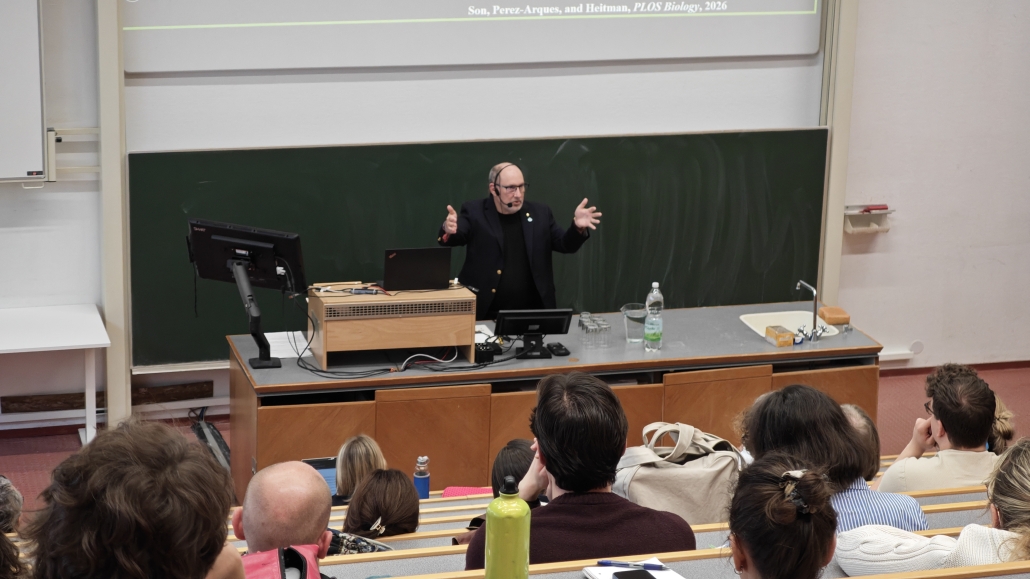
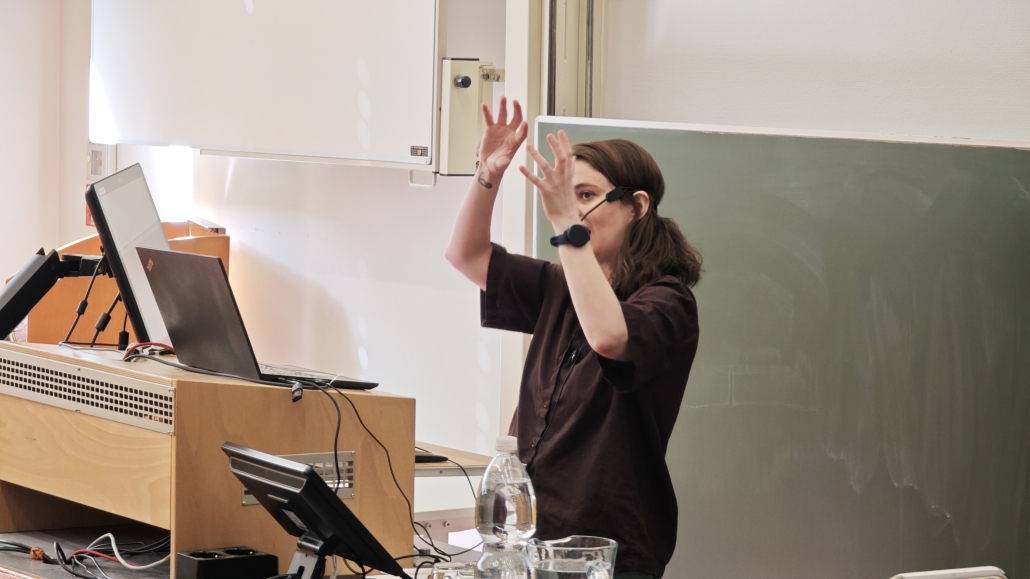
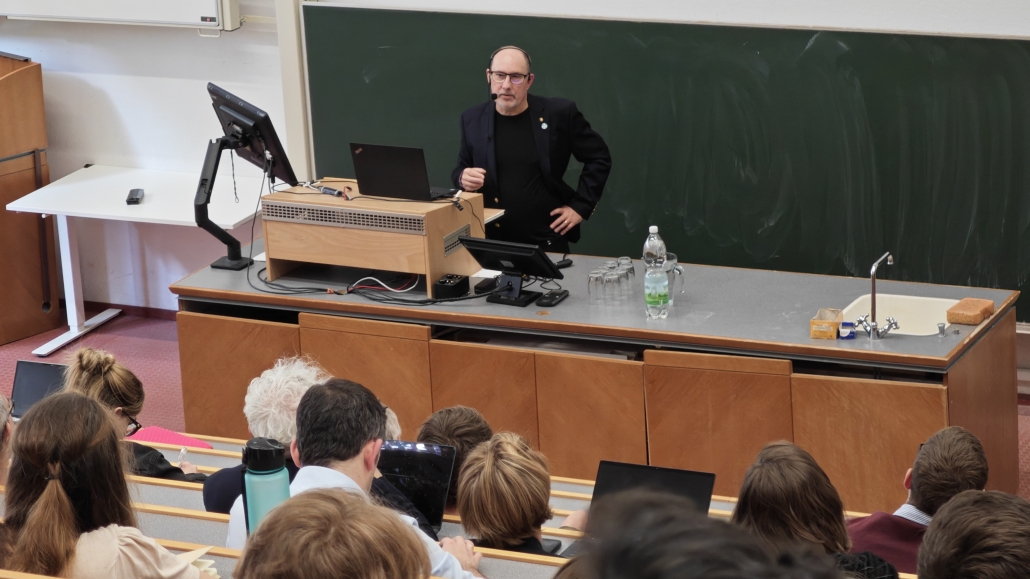
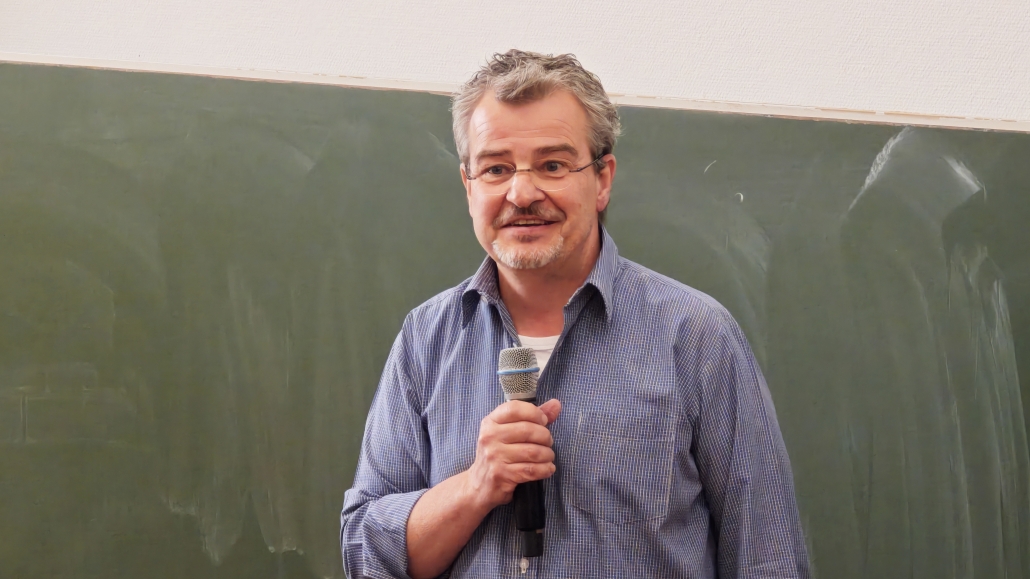
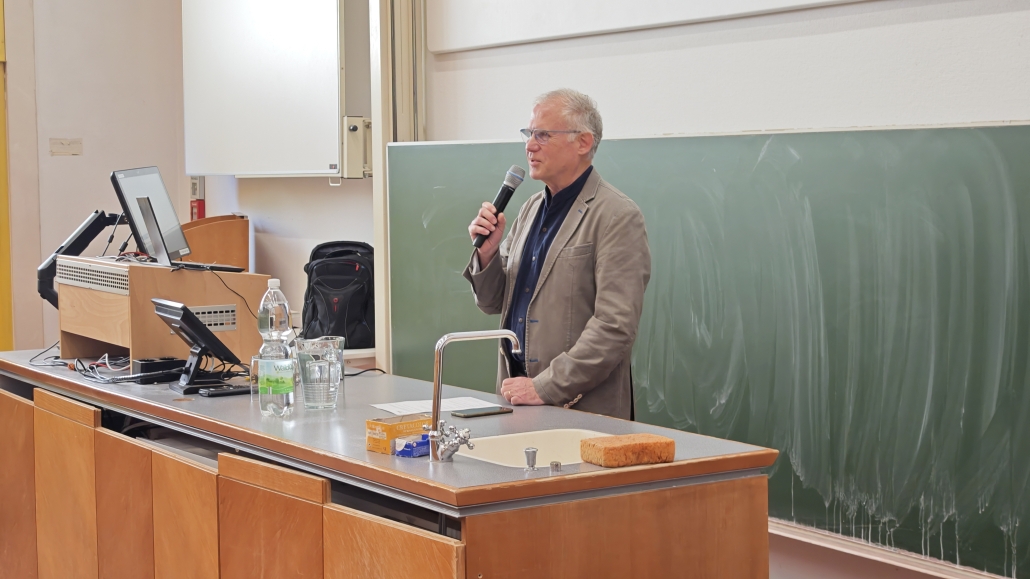
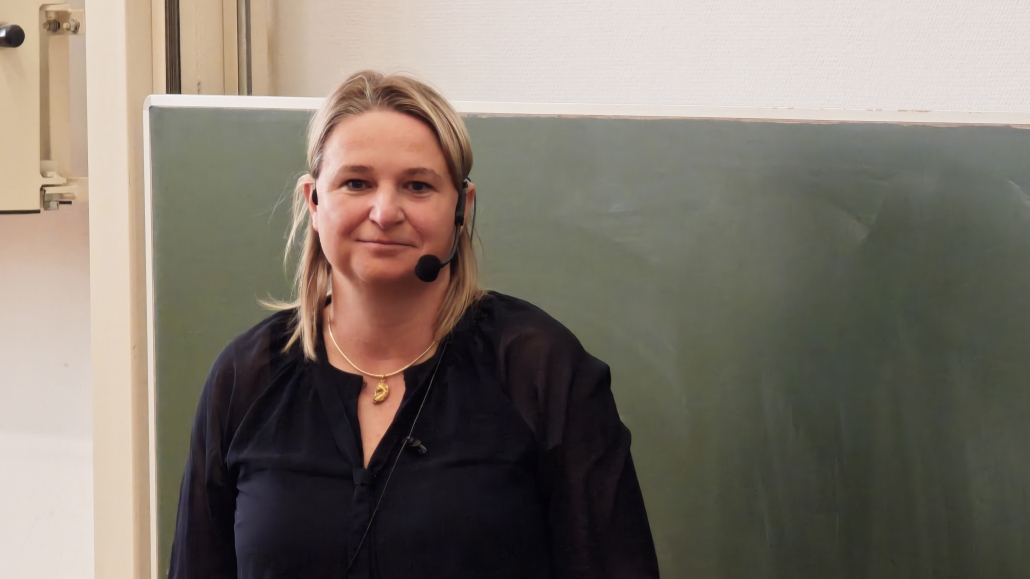
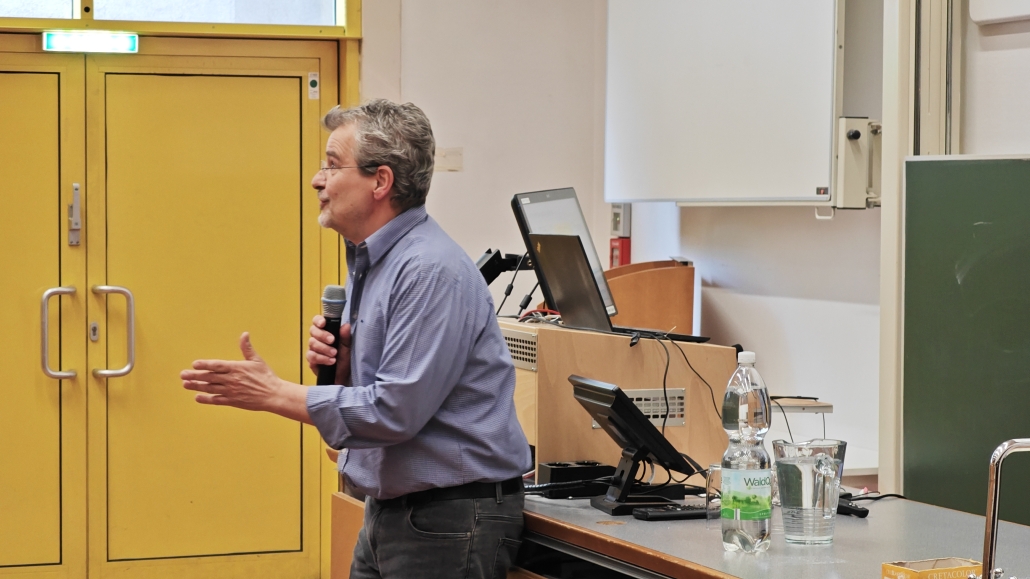
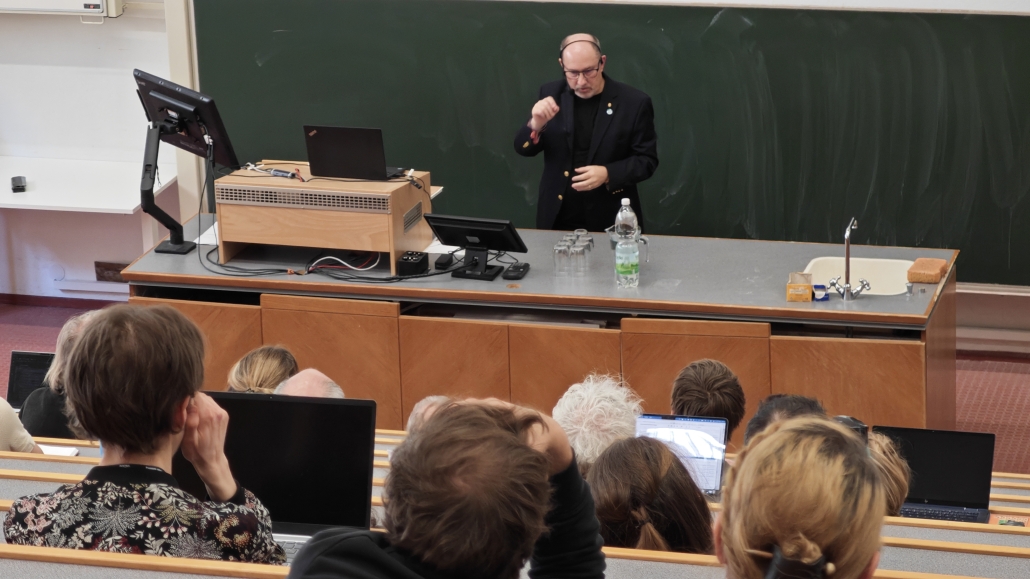
The Institute of Microbial Genetics and the Bioactive Microbial Metabolites (BiMM) Research Platform together with the Institute of Microbiology and Microbial Biotechnology hosted a compelling Minisymposium at BOKU University Campus Muthgasse, bringing together leading experts to discuss the latest advancements in microbial research, epigenetics, and the discovery of bioactive compounds.
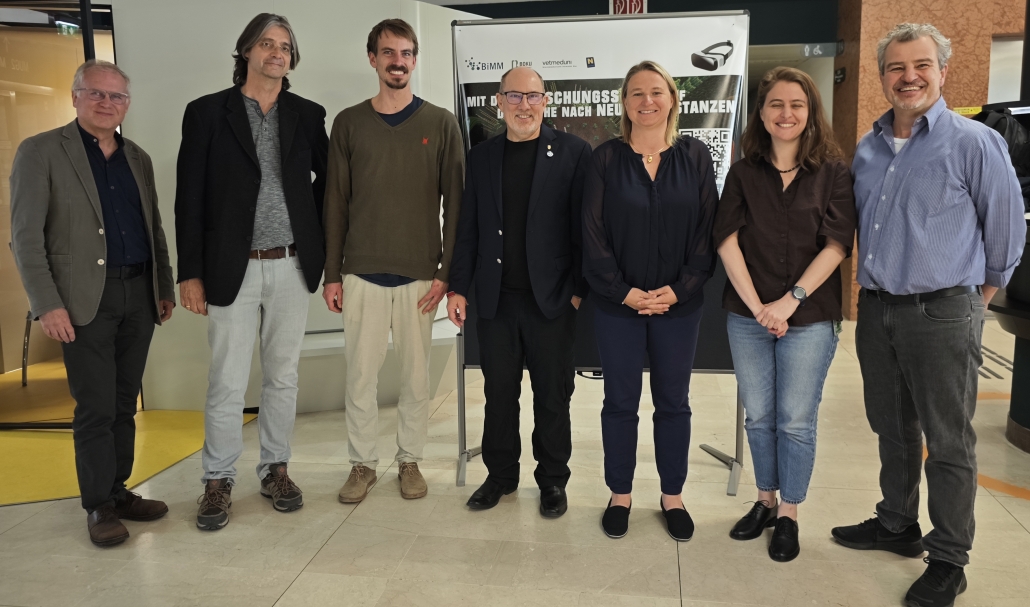
Diethart Mattanovich, Christoph Schüller, Christian Puhr, Joseph Heitman, Michaela Lackner, Özge Ata, Joseph Strauss
Opening and Moderation
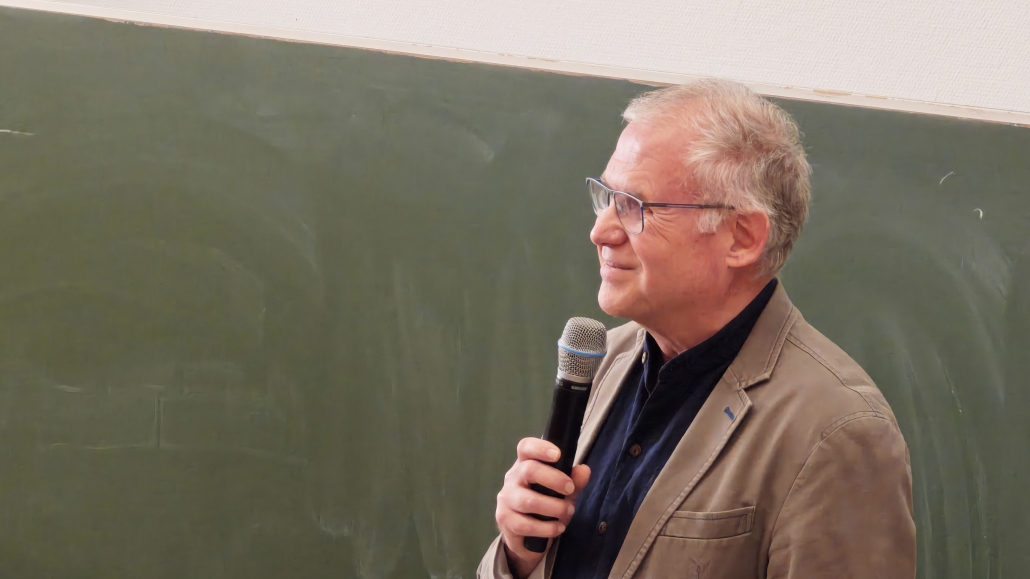
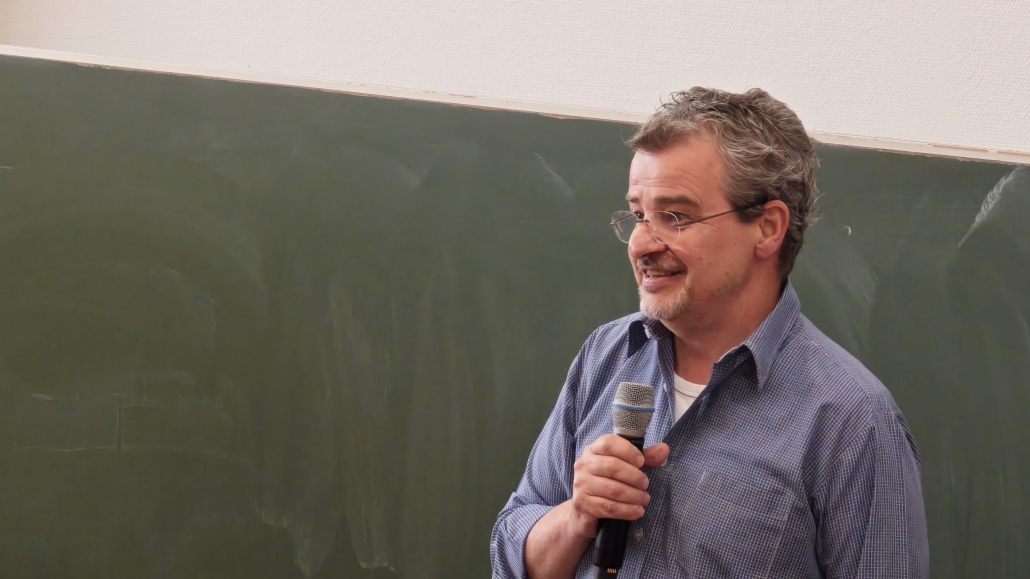
The symposium was opened by Diethard Mattanovich, Professor and Head of the Institute of Microbiology and Microbial Biotechnology at the BOKU Campus Muthgasse. As the leader of the Department of Biotechnology and Food Sciences, his research focuses on metabolic and cellular engineering of yeast fungi for biotechnological applications. The event was skillfully moderated by Joseph Strauss, Professor and Head of the Institute of Microbial Genetics at the Department of Agricultural Sciences, BOKU Campus Tulln. His pioneering work on the epigenetic regulation of fungal metabolism laid the foundation for the establishment of the BiMM research platform, dedicated to uncovering novel bioactive compounds from microorganisms.
Keynote Speakers and Highlights
The symposium featured a lineup of distinguished speakers, each contributing unique perspectives and groundbreaking research:
Michaela Lackner
„Why do we need to integrate fungal resistance into GAP-AMR?“
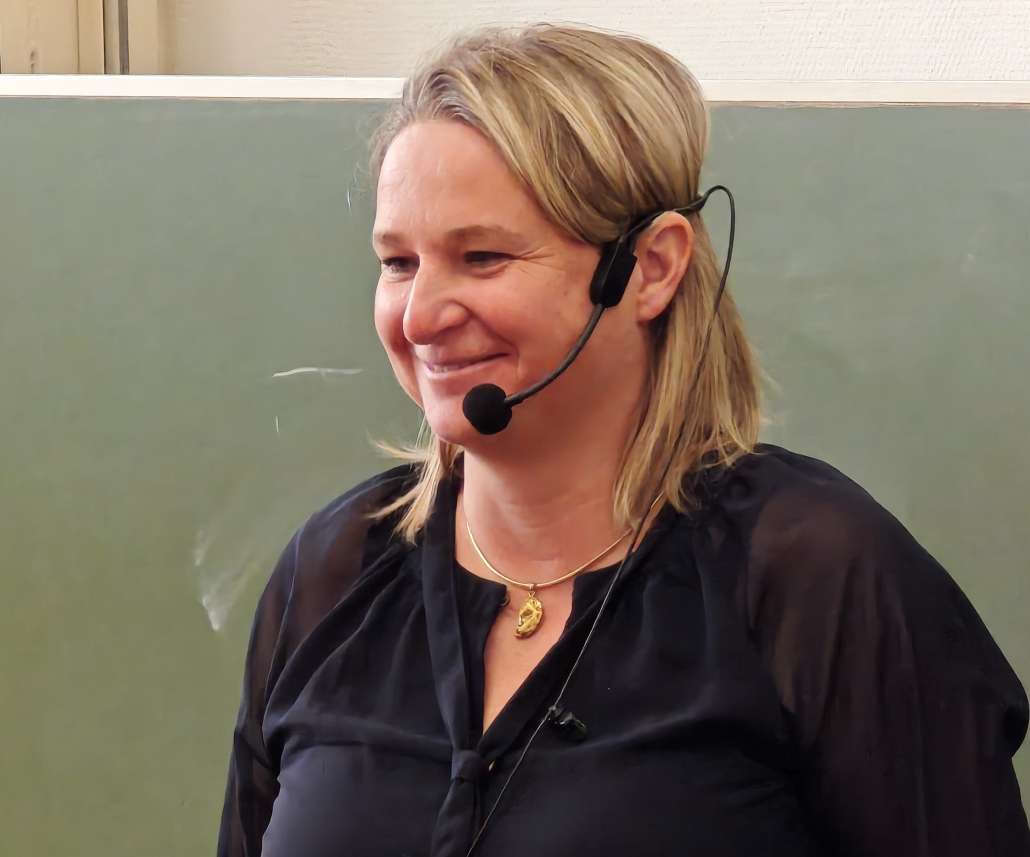
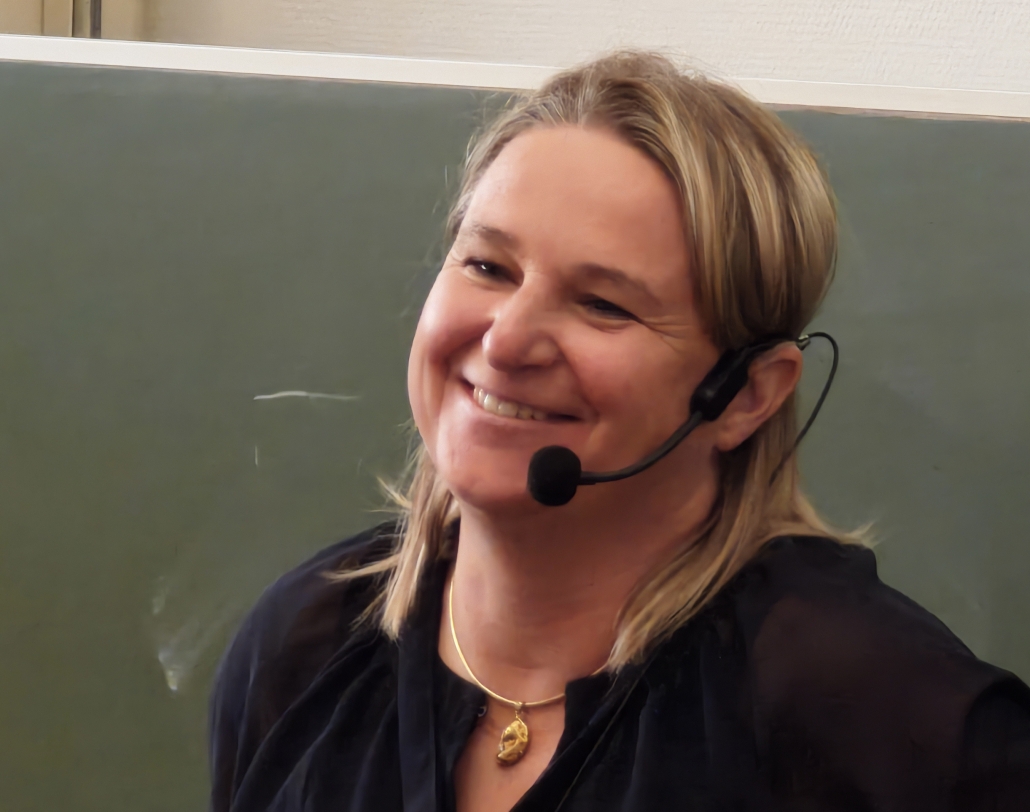
Michaela Lackner, Professor of Experimental Mycology at the Institute of Hygiene and Medical Microbiology, Medical University of Innsbruck, shared her expertise on antimycotic resistance. As the leader of the MYCOS PhD Training Program on „Antimycotic Resistance – Approach from a One-Health Perspective“, she highlighted the critical connections between human fungal pathogens, environmental factors, and agricultural practices within a One-Health framework.
Joseph Heitman
„Epimutations evoke transient inheritable antimicrobial resistance“
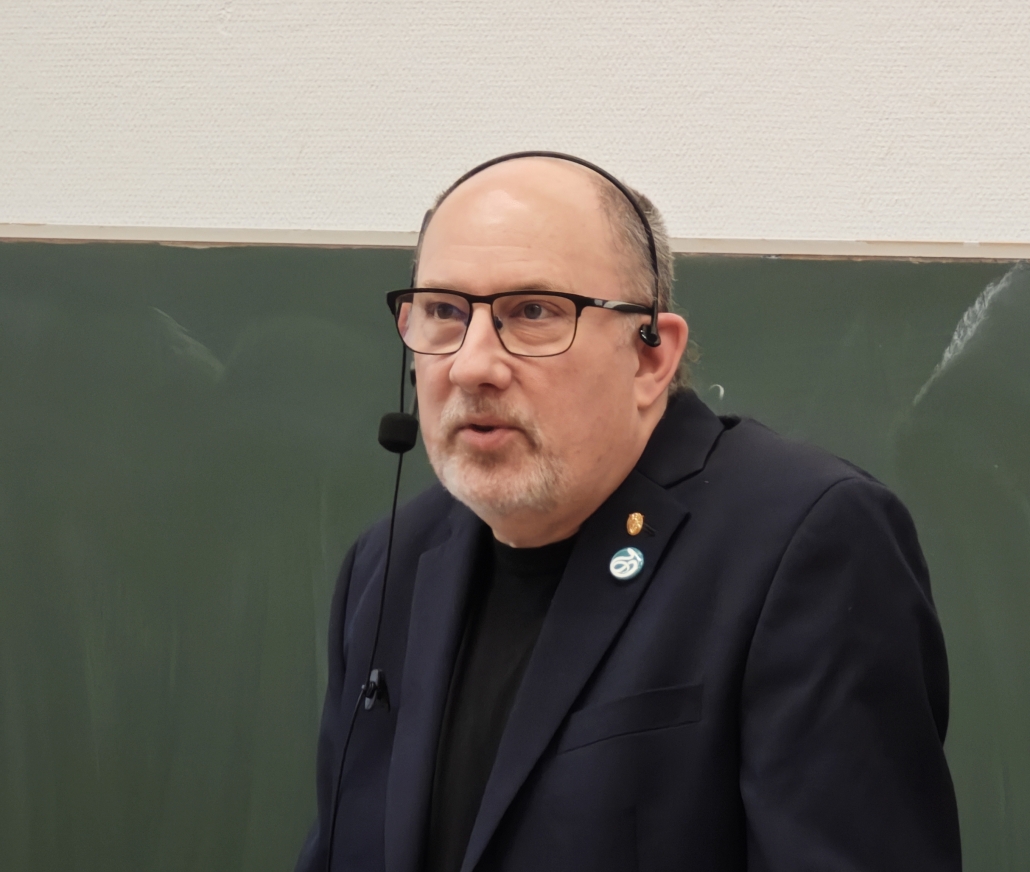
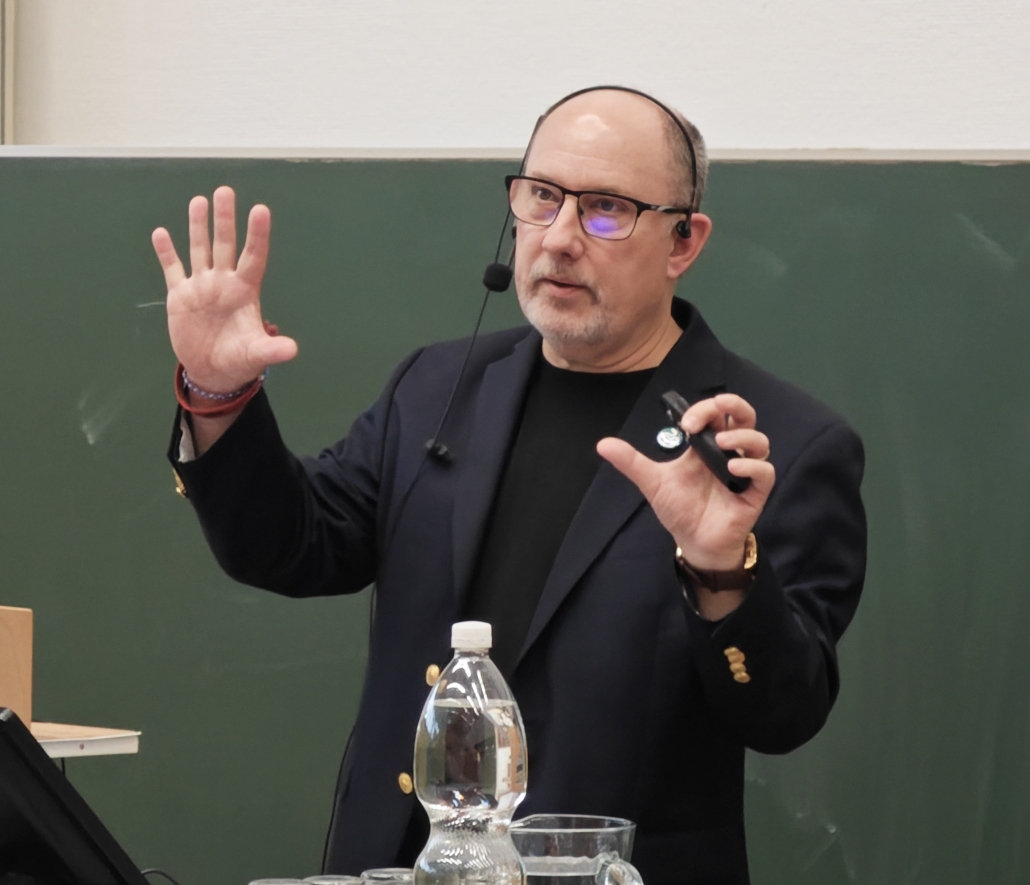
Joseph Heitman, Professor and Chair of the Department of Molecular Genetics and Microbiology at Duke University (North Carolina, USA), and Co-Director of the Canadian CIFAR Institute, delivered insights into signaling pathways in human fungal pathogens and epigenetic mechanisms of resistance formation. As a pioneer in these fields, he emphasized the importance of interdisciplinary research in addressing global challenges like food security, climate change, and digitalization.
Christoph Schüller
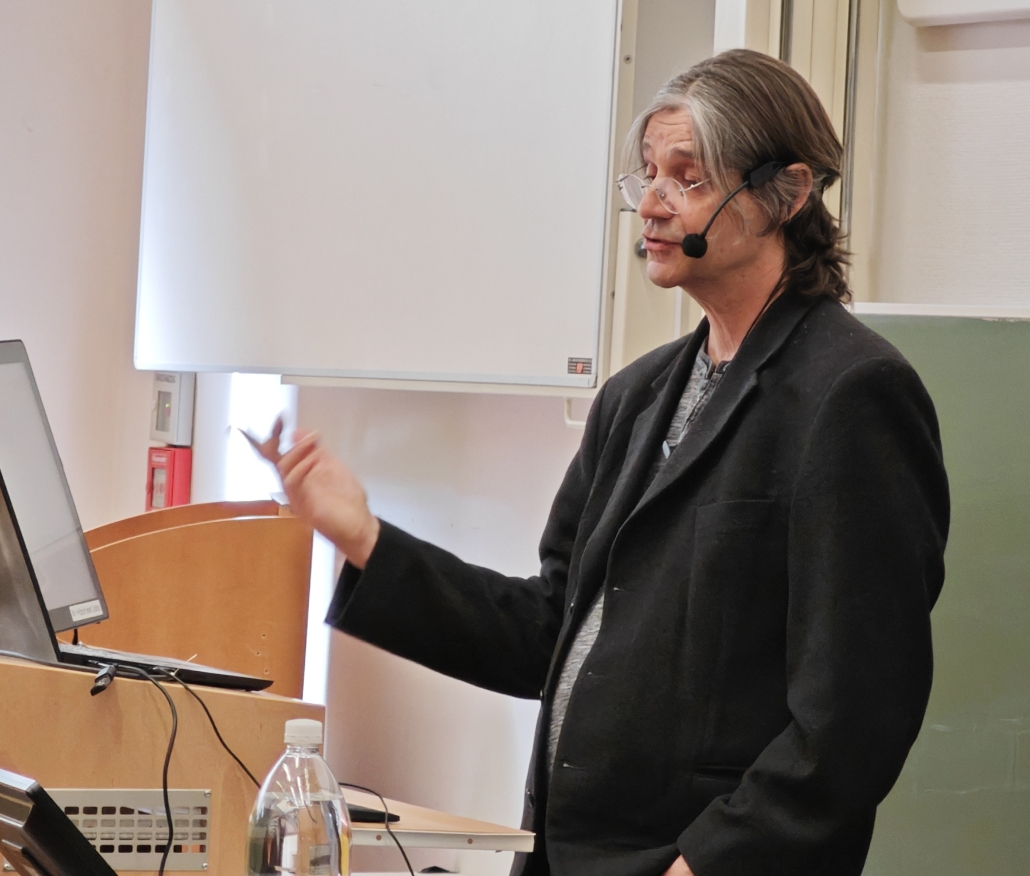
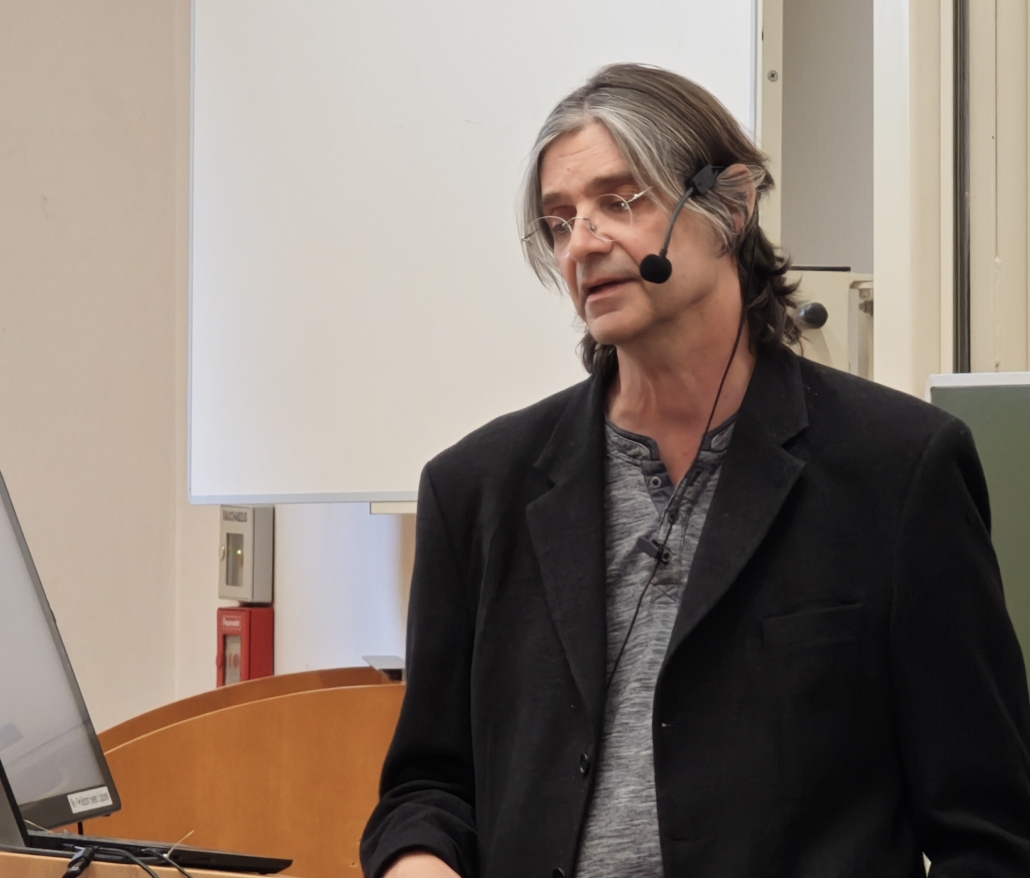
„Probiotics to compete Candida – a suggestion“
Christoph Schüller, a biochemist and geneticist, leads the Screening Unit of the BOKU Core Facility “Bioactive Molecules – Screening and Analysis” (BMOSA). His presentation focused on the discovery of bioactive substances from microorganisms, particularly his work on developing natural antagonists from the human skin microbiome to combat Candida infections.
Özge Ata
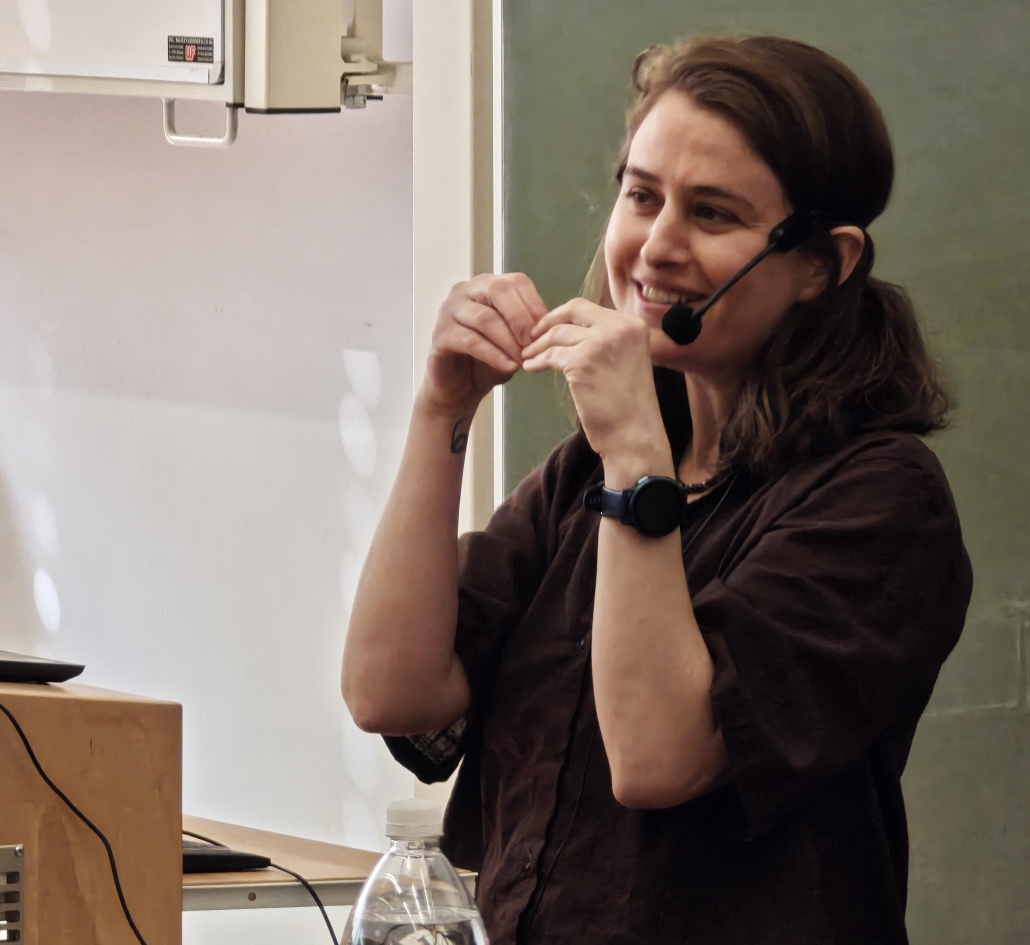
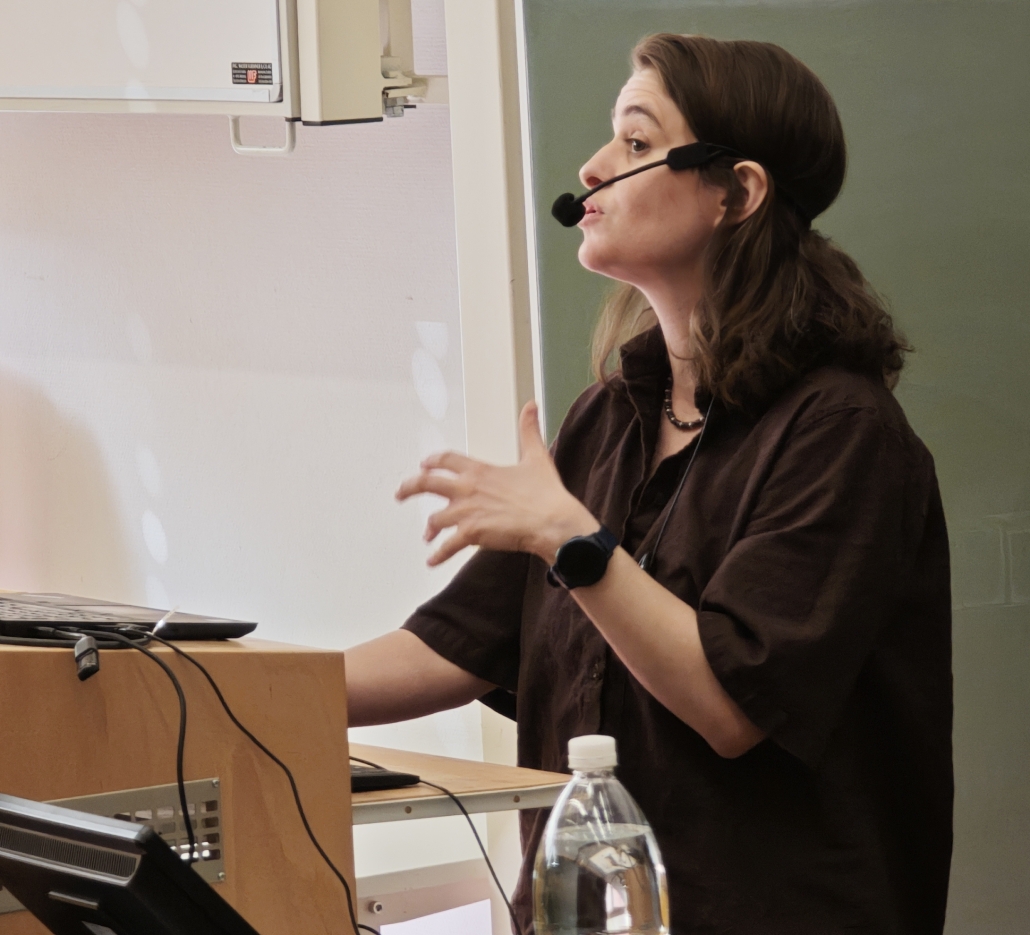
„Integration of metabolic modeling and synthetic biology for single carbon biotechnology“
Özge Ata, Senior Scientist at the BOKU Institute of Microbiology and Microbial Biotechnology, Department of Biotechnology and Food Sciences, discussed her research on modeling and targeted genetic modification of metabolic pathways in yeast fungi. Her work aims to optimize these organisms for applications in biopharmaceutical and environmental biotechnology.
Christian Puhr
„Epigenetic triggers for new bioactive metabolites“
Christian Puhr, a PhD student at the BOKU Institute of Microbial Genetics, BOKU Campus Tulln, presented his research on genetic and epigenetic modifications of regulatory pathways in fungi. His goal is to uncover new natural bioactive compounds from microorganisms and characterize their potential for agricultural and medical applications.
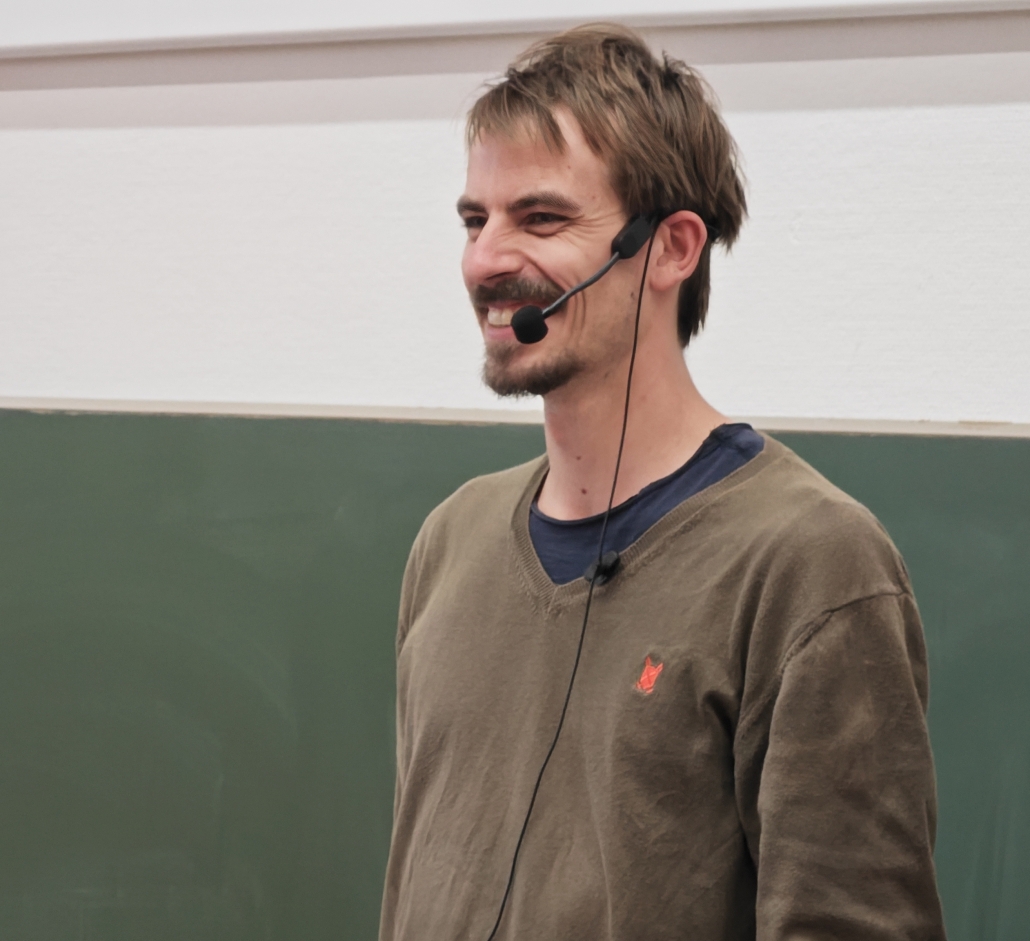
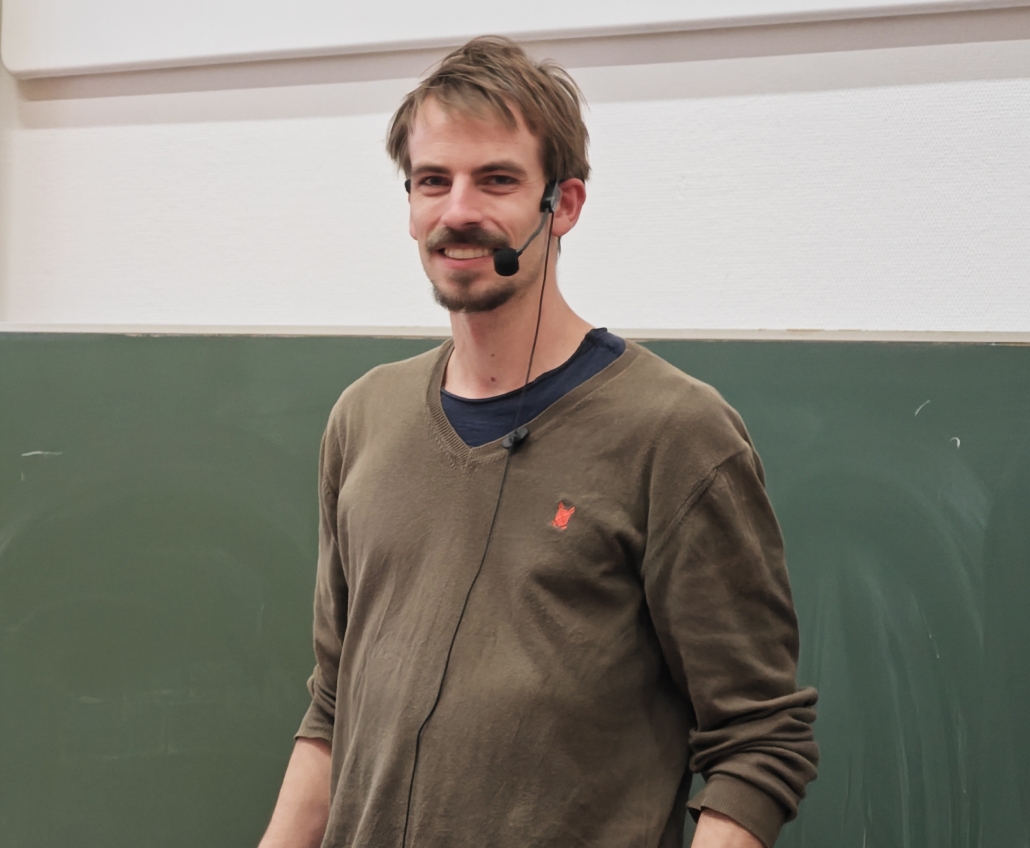
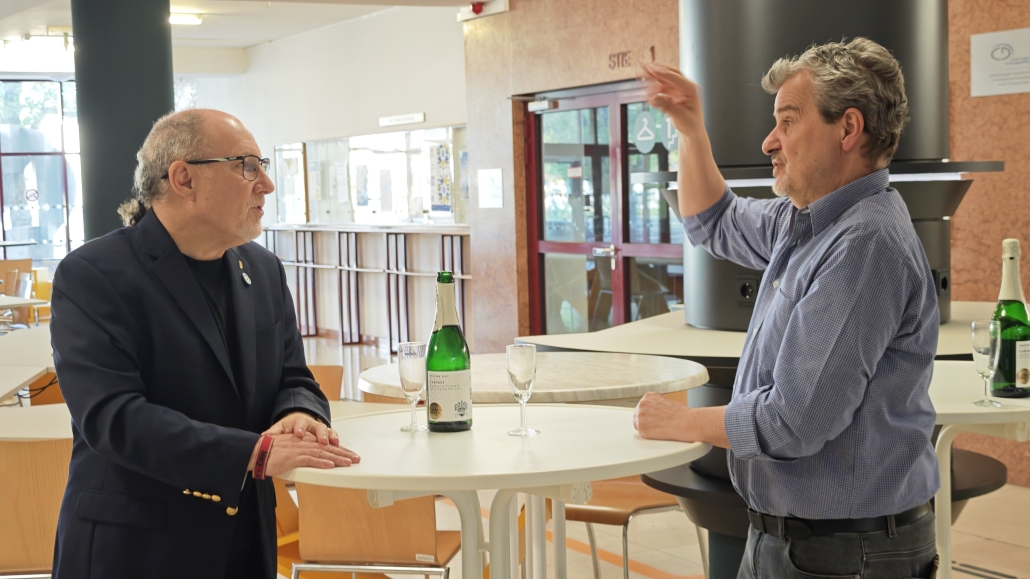
The symposium concluded with a get-together and networking session, where participants had the opportunity to engage in discussions and build connections. A special highlight was the Virtual Reality Movie „Searching for New Bioactive Substances with the BiMM Research Platform“, which provided an immersive experience into the world of microbial research.
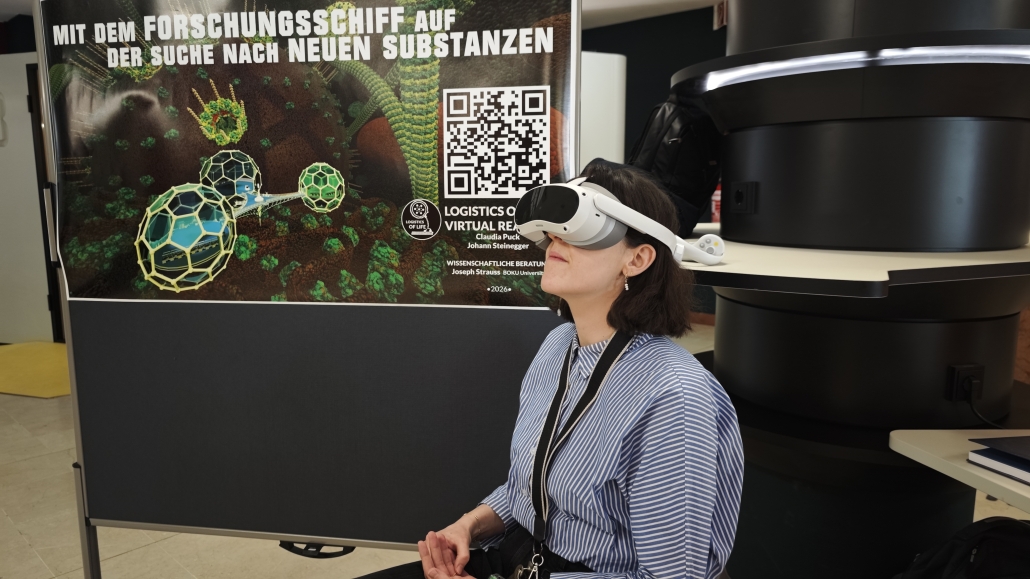
A Platform for Collaboration and Discovery
The Minisymposium demonstrated the power of interdisciplinary collaboration in advancing our understanding of microbial potential. From resistance mechanisms to biotechnological innovations, the event underscored the importance of epigenetics, genetic engineering, and One-Health approaches in shaping the future of microbial research.
We extend our heartfelt thanks to all speakers, participants, and supporters who made this event a success.
For those interested in diving deeper into the latest research, we invite you to explore our recent article in Nature Communications: „The dual role of azoles: lifesaving antifungals and drivers of resistance – a One Health perspective“ (Behrad Roohi, Joel D. A. Tyndall, Thomas Svoboda, Sybren de Hoog, Pedro W. Crous, Brian C. Monk, Birgit Strobl, Annemarie Weissenbacher, Joseph Strauss, Paul E. Verweij & Michaela Lackner)
ONE-HEALTH MINISYMPOSIUM
FROM ANTIFUNGAL RESISTANCE TO BIOTECH SOLUTIONS
17 April 2026 | 13pm – 17pm
BOKU University Campus Muthgasse
Armin Szilvinyi Haus – Lecture Hall 1
Muthgasse 18, 1190 Vienna
Sponsor